
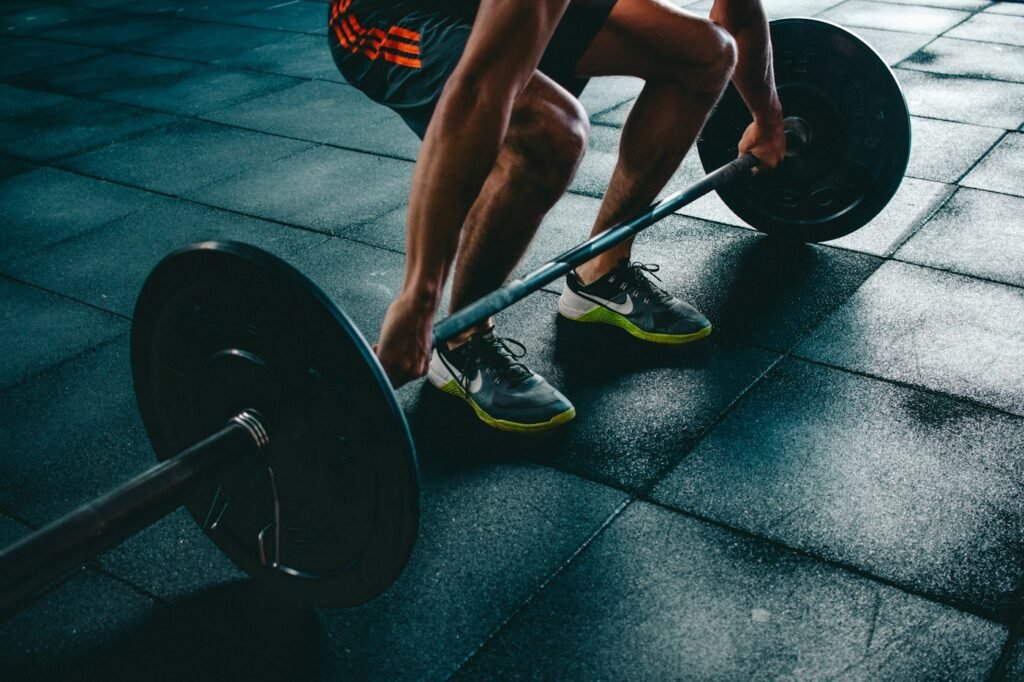
Start With a Question, Not a Shopping List
Most home gyms fail the same way. Someone gets motivated, buys a pile of equipment, uses it intensely for a month, and then it becomes an expensive place to hang laundry. The problem usually isn’t discipline. It’s that the equipment wasn’t chosen to fit a specific type of training.
In this guide
- Start With a Question, Not a Shopping List
- Priority 1: The Things That Unlock the Most Training
- Priority 2: The Things That Make a Big Difference Once You Have the Basics
- Priority 3: Cardio Equipment (Only If It Suits You)
- Priority 4: Recovery and Comfort
- What to Skip (At Least at First)
- A Realistic Starting Setup
- How to Actually Choose, Not Just Buy
- Frequently Asked Questions
- The Bottom Line
So before any list: what do you actually want to do? Strength training, cardio, mobility, or all three? How much space do you have? Do you prefer training alone at home, or is the home setup a supplement to a gym membership? The answers decide everything that follows.
This guide is ordered by priority rather than by price. It tells you what to buy first, what genuinely earns its place, and what’s usually a waste of money and floor space.
Priority 1: The Things That Unlock the Most Training
These are the items that let you do the widest range of useful training with the least space and money. If you’re starting from nothing, start here.
A resistance band (or a set)
Bands are the single most underrated piece of home equipment. They’re inexpensive, take up almost no space, and they solve the biggest hole in bodyweight training — pulling movements for your back. Overhead rows, band pull-aparts, banded squats, face pulls, and assisted pull-ups all become possible.
A set of bands covering light, medium, and heavy tensions is more useful than one band, because you’ll want different resistance for your back, shoulders, and legs. We go deeper in our guide to choosing resistance bands.
One or two adjustable dumbbells
A single adjustable dumbbell — one that lets you change the weight — covers goblet squats, rows, presses, Romanian deadlifts, lunges, and more. Two of them unlock nearly everything else: floor presses, bench-style work, and balanced loading on both sides.
Adjustable options cost more upfront than fixed dumbbells but replace an entire rack, which makes them dramatically better value if you’re building strength over time. If you’re on a tight budget, a band and a single adjustable dumbbell together already give you a genuinely complete program.
Somewhere to do pull-ups, or a way to substitute for it
Pulling strength is the most commonly neglected area in home training, and a pull-up bar is the most direct fix. Doorway bars are inexpensive and require no drilling; freestanding options cost more but work if your doorways won’t take a bar. If you can’t install anything, a long resistance band anchored over a door is an imperfect but workable substitute for rows.
Priority 2: The Things That Make a Big Difference Once You Have the Basics
These are worth adding once you’re training consistently and know what you actually enjoy.
A bench or a sturdy step
You need something to sit on for presses, step on for step-ups, and use as an incline surface for push-up progressions. A dedicated adjustable bench is the best option if you have room. If you don’t, a sturdy step or bench you already own often works fine for step-ups and incline push-ups.
Kettlebells or additional dumbbells
Kettlebells are excellent for swings, hinges, and ballistic work, which is a different training stimulus from dumbbells. Whether you want them depends on your goals — we compare the two in dumbbells vs kettlebells.
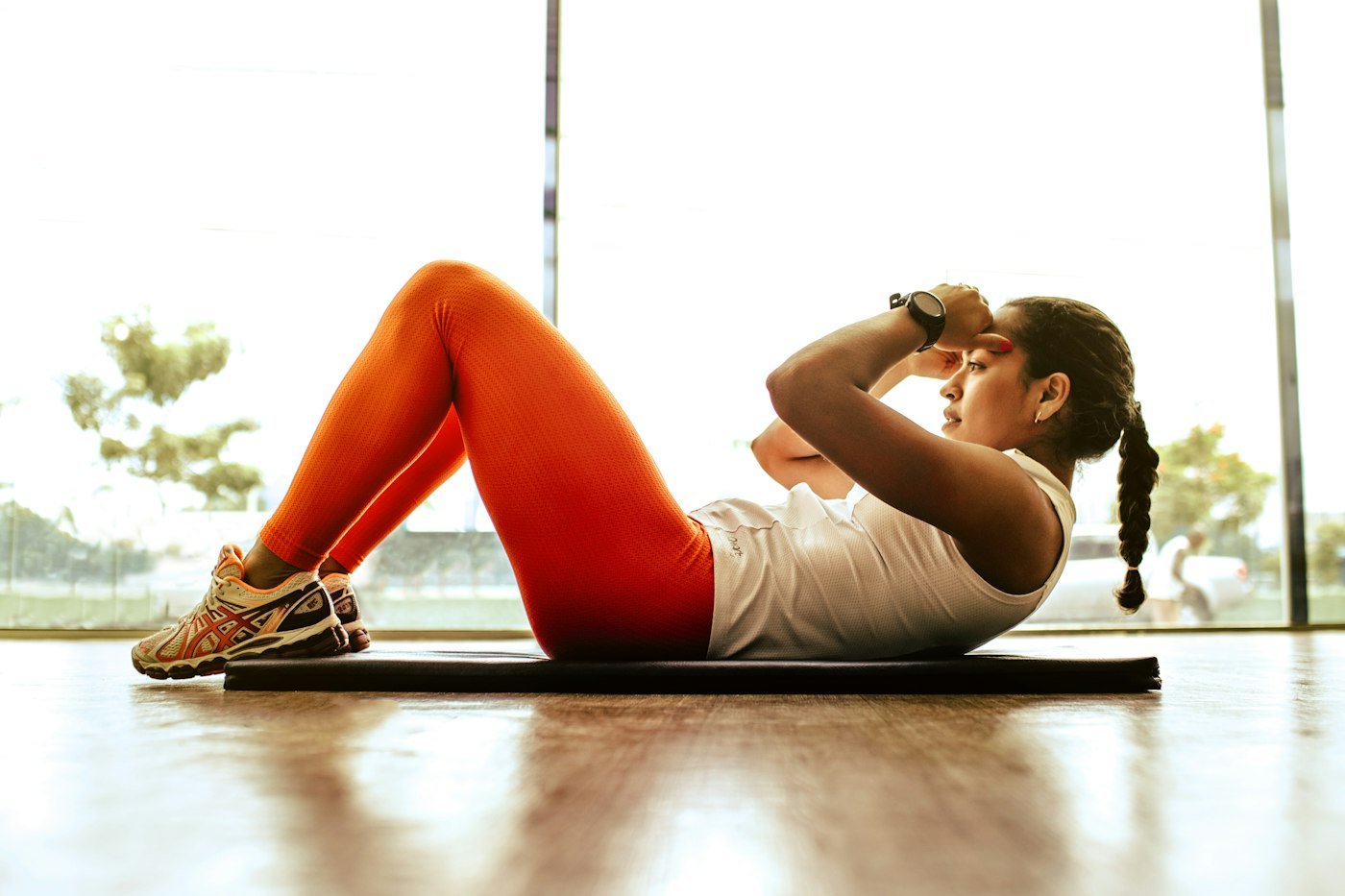
A mat
A mat is cheap, and it makes floor work far more comfortable. That’s the entire claim. You don’t need an expensive one; you need one that stays put and doesn’t slide around mid-plank.
Priority 3: Cardio Equipment (Only If It Suits You)
This is where home gyms most often go wrong. Cardio machines are bulky and expensive, and many of them end up unused. Before buying one, be honest about whether you’ll actually use it indoors — plenty of people find walking or running outside is easier to maintain.
- A jump rope is the cheapest cardio tool there is, takes up no space, and provides a genuinely hard workout. Our guide on jump rope benefits covers why it punches above its weight.
- A treadmill makes sense if you want to run indoors regardless of weather, or need controlled pace. They’re the most space-hungry option, so if you’re considering one, our guide on what to check before buying a home treadmill covers the details worth knowing first.
- A stationary bike or rower can work well if you actually enjoy the movement. They’re quieter than treadmills but still take up real space.
The honest test: would you use this four times a week for the next year? If the answer is uncertain, use the money for something you’re confident about, or try the activity outside or at a gym first.
Priority 4: Recovery and Comfort
Once training is established, recovery tools start to earn their place.
- A foam roller. Cheap, useful for easing tight muscles, and easy to store. Our guide on foam rolling explains how to use one well.
- A massage gun. Convenient and pleasant, though not essential. If you’re comparing it against a foam roller, that’s exactly what our foam roller vs massage gun comparison covers.
What to Skip (At Least at First)
Large multi-station machines. They’re expensive, enormous, and most people use a fraction of the functions. A band, a dumbbell, and a bar typically train the same body parts better.
Specialised single-purpose gadgets. Ab rollers, thigh toners, weird contraptions with one function — they rarely survive the first month. A basic set of tools covers the same movements.
Anything bought to fix motivation. Equipment doesn’t create discipline. Buying more of it usually delays the real problem instead of solving it. Start with what you have, prove you’ll train, then upgrade.
Matching sets and branding. Cohesive-looking kit is nice, but you pay for the aesthetics. Function first.
A Realistic Starting Setup
If you’re building from nothing and want a genuinely complete home gym on a modest budget, this order works:
- A set of resistance bands covering light to heavy
- One or two adjustable dumbbells
- A pull-up bar, or a band substitute if you can’t install one
- A mat
- A jump rope (cheap, effective, tiny)
That combination trains your legs, hips, chest, back, shoulders, arms, and core, and adds a cardio option — for a fraction of the space and cost of a machine. You can then add a bench, kettlebells, or cardio equipment as your training and your space allow.
If you’re still deciding whether home training is for you at all, our guide comparing home workouts and the gym covers that decision in more depth.
How to Actually Choose, Not Just Buy
A few principles that prevent most home-gym regrets:
- Buy for the training you do now, plus one step ahead. Don’t buy for the athlete you might become in two years.
- Check whether it stores. Floor space is the scarcest resource in a home gym. Anything that folds, stacks, or fits under a bed has an advantage.
- Buy once, reasonably well. Cheap equipment that breaks or feels unsafe is worse than paying slightly more for something durable. That said, “durable” and “expensive” aren’t the same thing — for some items, the budget option is entirely adequate.
- Consider secondhand. Dumbbells, bars, benches, and cardio machines are frequently sold barely used. It’s one of the most reliable ways to buy quality equipment for less.
- Test the movement before you buy the tool. If you don’t know whether you’ll stick with kettlebells, try kettlebell workouts with a single borrowed one first.
One caution worth stating plainly: equipment varies enormously, and there’s no substitute for checking the specific product you’re considering — its stated weight capacity, warranty, dimensions, and return policy. This guide covers what to look for, not which specific model to buy.
Frequently Asked Questions
What’s the most essential piece of home gym equipment?
If you had to pick one, a set of resistance bands. They’re cheap, tiny, versatile, and cover pulling movements that bodyweight training alone can’t. Adjustable dumbbells would be the strongest alternative answer, since they unlock most strength movements.
What’s the biggest mistake people make with home gyms?
Buying too much, too soon, before establishing a training habit. The equipment ends up unused and takes up space. Start minimal, train consistently for a few weeks, then add what you find you’re missing.
Do I need a treadmill at home?
Only if you’ll genuinely use it indoors and often. Treadmills are expensive and take up significant space. Many people find that running or walking outdoors is easier to sustain. If weather or safety makes outdoor cardio impractical for you, then a treadmill can earn its place.
How much space do I need for a home gym?
Less than most people think. A mat-sized area — roughly the space you’d need to lie down with your arms overhead — is enough for bodyweight training, bands, and dumbbells. Cardio machines are what demand real floor space. Measure your space before you buy anything bulky.
Is buying secondhand equipment a good idea?
Often, yes. Weights, benches, and cardio machines are frequently sold barely used, and they’re durable items that hold up over time. Check for damage, verify it works, and confirm weight capacity where relevant.
The Bottom Line
A good home gym isn’t the one with the most equipment — it’s the one built around the training you actually do. Start with bands, an adjustable dumbbell, something to pull on, and a mat. Add cardio and recovery tools only if they fit your habits and your space.
Buy less than you think you need, prove you’ll use it, then upgrade deliberately. That approach builds a setup you’ll keep using instead of a very expensive clothes rack.