
The Cheapest Serious Cardio Tool
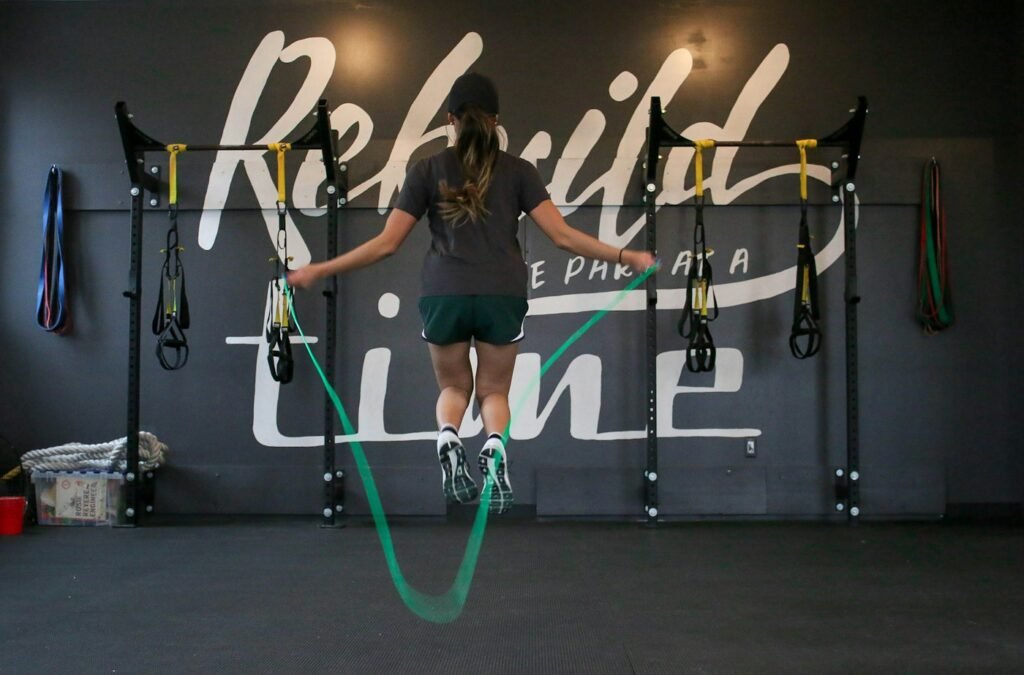
If you stripped cardio equipment down to price versus usefulness, the jump rope would probably win. It costs a fraction of almost anything else, takes up no meaningful space, travels in a pocket, and delivers genuinely demanding cardiovascular work.
In this guide
That’s the pitch. The reality includes some caveats, which this guide covers honestly — because a jump rope is a great tool that people also give up on quickly for predictable reasons.
What Jumping Rope Actually Does
It’s real cardiovascular work
Skipping is demanding. It recruits your calves, feet, and whole lower body, and it requires continuous coordination. Even a few minutes of uninterrupted skipping raises heart rate and breathing substantially, which is why it works well as a short, efficient cardio session.
It builds coordination and timing
The one benefit people underestimate. Skipping requires your hands, eyes, and feet to work together rhythmically. That coordination carries over to other sports and activities, and it’s a skill that improves quickly with practice.
It needs almost no space
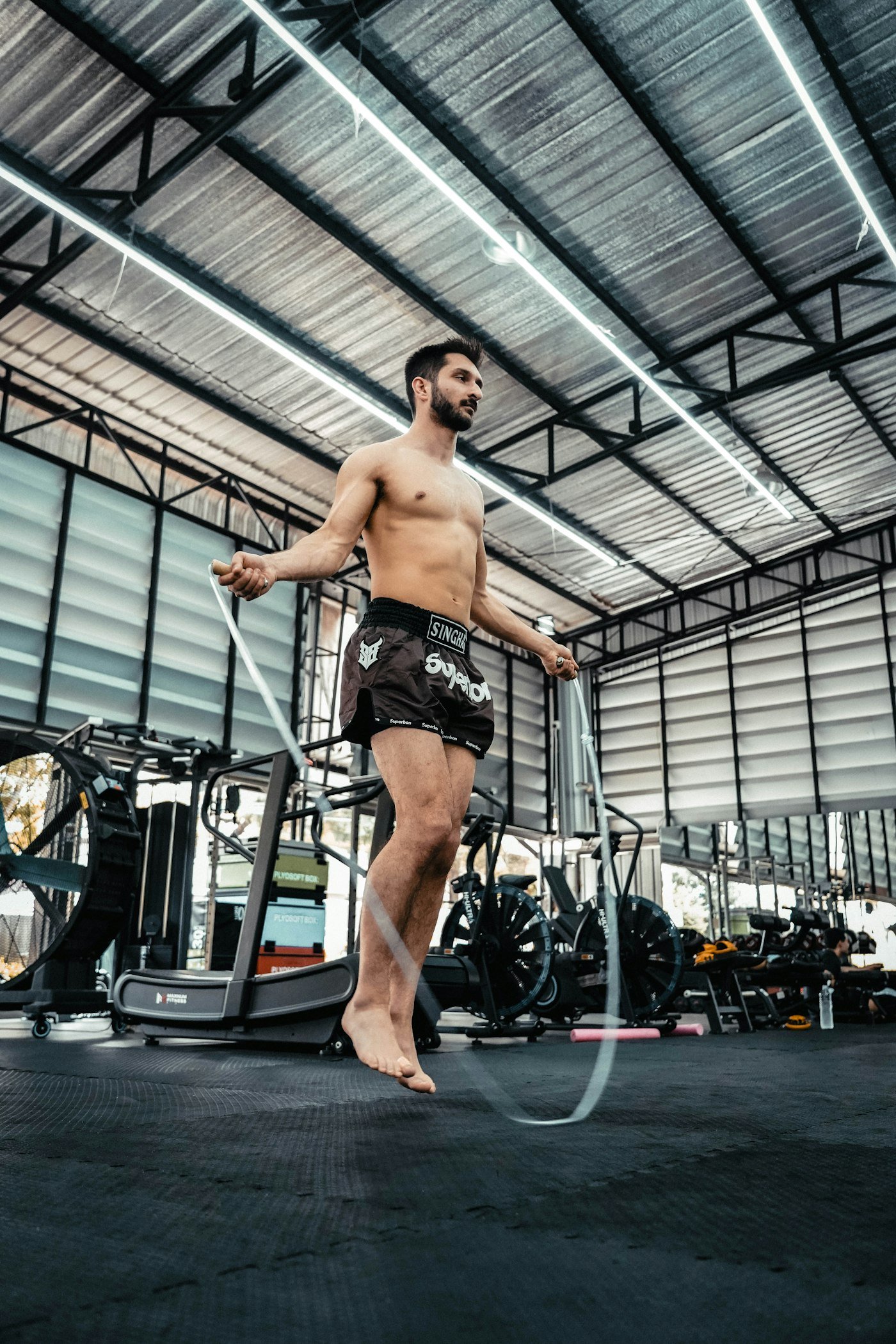
A jump rope fits in a bag and needs only a small clear area with enough ceiling height. For anyone training at home, especially in a small space, that’s a real advantage over a treadmill or exercise bike.
It’s a genuine warm-up
A few minutes of skipping raises your temperature, gets your heart rate up, and primes your calves and ankles — which is exactly what a good warm-up should do. This is one of the most practical everyday uses.
It fits interval training well
Skipping is easy to structure into intervals: 30 seconds on, 30 seconds off, repeated. That format delivers a lot of work in very little time, which makes it attractive for busy people.
What It Doesn’t Do
Honest caveats, in the spirit of every gear guide we write:
- It’s not a strength tool. Skipping builds some calf endurance, but it won’t build meaningful muscle or replace strength training.
- Calorie burn is often overstated. It burns a respectable amount for the time, but estimates you see online tend to be generous, and no single activity drives weight loss on its own.
- It’s not better than a treadmill — it’s different. Treadmills allow controlled pace, incline, and longer steady sessions. A rope offers intensity and portability. Comparing them as rivals misses the point.
- It’s hard at first. Most people can’t skip for two minutes straight on day one, and that discourages them. This is normal and fixable.
- It loads the calves and feet heavily. Jumping repeatedly is a lot of impact, and it’s the main reason beginners get sore or give up.
Jump Rope vs Other Cardio Options
A quick sense of the trade-offs:
- Vs a treadmill: The rope wins on cost, space, and portability; the treadmill wins on controllable pace, incline, longer sessions, and lower impact.
- Vs walking: Walking is easier to recover from and easier to sustain for long durations; the rope is far more time-efficient for intensity.
- Vs cycling: Cycling is lower impact and easier on the calves; the rope requires no equipment beyond a rope and a small space.
- Vs bodyweight circuits: Both need no equipment. Circuits train more muscle groups overall; the rope delivers purer cardio and coordination.
None of these makes the others redundant. For a home setup where space and budget are tight, a rope is one of the best single additions.
How to Start Without Giving Up
The biggest mistake beginners make is trying to skip continuously. Don’t. Build up gradually and let your calves adapt.
- Start with short intervals. Twenty to thirty seconds of skipping, then rest until your breathing settles. Repeat for 10–15 minutes.
- Expect calf soreness. The first few sessions will make your calves and feet sore, because they’re doing unfamiliar work. Two or three easier days in between sessions will help a lot.
- Learn without the rope first. Practising the arm and foot timing with an imaginary rope, or with the rope swinging at your side, builds rhythm without the frustration of tripping.
- Get the length right. Stand on the middle of the rope; the handles should reach roughly to your armpits. Too long causes tripping, too short causes hunching.
- Jump small. You only need to clear the rope by a centimetre or two. Big jumps waste energy and increase impact.
- Land softly. Land on the balls of your feet with slightly bent knees, on a forgiving surface if you can — a mat or a wooden floor rather than concrete.
- Keep your hands low. Turn the rope with your wrists, not your arms. This is the most common technique fix and it makes everything easier.
A Simple Progression
- Weeks 1–2: 5 sets of 30 seconds, walking or resting between, three times a week. Focus on rhythm, not volume.
- Weeks 3–4: 8 sets of 30 seconds, or 5 sets of 45 seconds.
- Weeks 5–8: Work towards a continuous 3–5 minutes, then add intervals — 30 seconds fast, 30 seconds easy — for 10–15 minutes total.
Progress is often surprisingly fast once the coordination clicks. Be patient through the first two weeks, which is when most people quit.
What to Look For in a Rope
- Adjustable length. Essential — the right length matters more than any other feature, and it depends on your height.
- Weight of the rope. Light ropes (often speed ropes) turn fast and suit skilled users and double-unders. Heavier ropes turn slower, give more feedback, and are easier to learn timing with. Beginners often do better with a slightly heavier rope.
- Handles. Comfortable, grippy handles that let your wrists turn freely matter more than premium materials.
- Material. Wire ropes are fast and durable but can hurt if they hit you; PVC or beaded ropes are more forgiving to learn with.
- Surface matters too. A rope used on rough concrete will wear out quickly. Smooth, dry surfaces extend its life.
As with all our gear guides, we don’t recommend specific products — the differences that matter are length, weight, and handle comfort, and those you can judge for yourself.
Who Should Be Careful
Jumping is high-impact, and that’s the main caution:
- Calf, foot, or ankle problems. Skipping loads these areas heavily. If you have a current injury or a history of issues there, get cleared before adding it.
- Knee or hip concerns. The impact is real. A lower-impact option may suit you better.
- Beginners in poor condition. Start with very short intervals and build slowly — the cardiovascular demand is higher than it looks.
- Anyone with pelvic floor concerns. The repeated impact can be problematic. Speak to a professional about whether it’s appropriate.
If any activity causes pain rather than effort, stop and get it looked at. This article is general information, not medical advice.
Frequently Asked Questions
Is jumping rope good for weight loss?
It’s a time-efficient way to burn calories and improve fitness, which supports weight loss. But as with any single activity, it works best alongside attention to food intake. No exercise drives weight loss on its own.
How long should I jump rope?
For most people, 10–15 minutes of intervals is a solid session, and a few minutes is a good warm-up. Longer steady sessions are possible but not necessary — the intensity is already high. Start with short sets and build up.
Is jumping rope bad for your knees?
The impact loads the lower body, so it’s not ideal if you have knee problems. For healthy knees, the force is generally tolerable and comparable to other jumping activities, especially with soft landings on a forgiving surface. If you have knee concerns, get advice first.
Why can’t I jump rope for more than a minute?
Because it’s genuinely demanding and coordination takes practice. Most beginners can’t skip continuously at first. Short intervals, correct rope length, and turning with your wrists rather than your arms will improve it faster than anything else.
Do I need a special rope?
No, but an adjustable one is important so the length suits your height. A slightly heavier rope is often easier to learn timing with; a light speed rope suits experienced users. Handle comfort matters more than brand.
Can I jump rope on a hard floor?
You can, but a slightly forgiving surface is kinder to your joints and your rope. A mat, a wooden floor, or a rubber gym surface works well. Concrete is hard on both your calves and the rope itself.
The Bottom Line
A jump rope delivers real cardiovascular work, improves coordination, and costs almost nothing — which makes it one of the best-value additions to a home setup, especially where space is tight.
Its limits are real: it won’t build significant strength, its calorie burn is often exaggerated, and it’s demanding at first. Start with short intervals, expect calf soreness, learn to turn the rope with your wrists, and it’ll reward the patience.