
Why You Get Sore (And Why It’s Not What You Think)
You finish a workout feeling fine. The next morning, you can barely sit down. That delayed soreness has confused people for decades, and it’s still misunderstood.
In this guide
The soreness you feel a day or two after unfamiliar or intense exercise is called DOMS — delayed onset muscle soreness. It’s not caused by lactic acid. Lactate clears from your muscles within roughly an hour of exercise, long before the soreness even starts. That’s one of the most persistent myths in fitness.
DOMS is more likely the result of microscopic damage to muscle fibers, combined with inflammation as your body repairs them. It shows up mainly after movements your muscles aren’t used to, especially ones involving lowering a weight under control (eccentric contractions).
The good news: DOMS is normal, it’s not a sign of damage you need to worry about, and it fades as your muscles adapt to the movement. This guide explains what it is, what genuinely helps, and when soreness means something more.
What DOMS Feels Like
DOMS typically has a recognizable pattern:
- Timing. It usually starts 6 to 12 hours after exercise, peaks around 24 to 48 hours, then eases over the following days.
- Location. It’s felt in the muscles themselves, not in joints or tendons.
- Sensation. A dull, tender, aching feeling that’s worse when the muscle is stretched, pressed, or used.
- Pattern. It’s most common after new exercises, new ranges of motion, or a big jump in intensity or volume.
If your soreness doesn’t fit that pattern — sharp pain, joint pain, pain in one specific spot, or something that doesn’t improve over several days — that’s a reason to pay closer attention rather than push through.
What Actually Helps
There’s no cure for DOMS, and no method removes it instantly. But some things genuinely make it more manageable:
Light activity
Gentle movement — walking, easy cycling, light mobility work — increases blood flow and often reduces how stiff and sore you feel, at least temporarily. It won’t make the soreness vanish, but it reliably helps you feel better than lying still. This is one reason easy recovery days work so well.
Sleep
Sleep is where the repair happens. Missing sleep doesn’t cause soreness, but being chronically short on sleep slows the recovery process and tends to make everything feel worse. It’s the highest-value thing you can do, and it’s free.
Eating enough, including protein
Your muscles need raw material to repair. Adequate calories and protein support the recovery process. This isn’t a quick fix for today’s soreness, but it’s a core part of recovering well over days and weeks.
Gentle massage or foam rolling
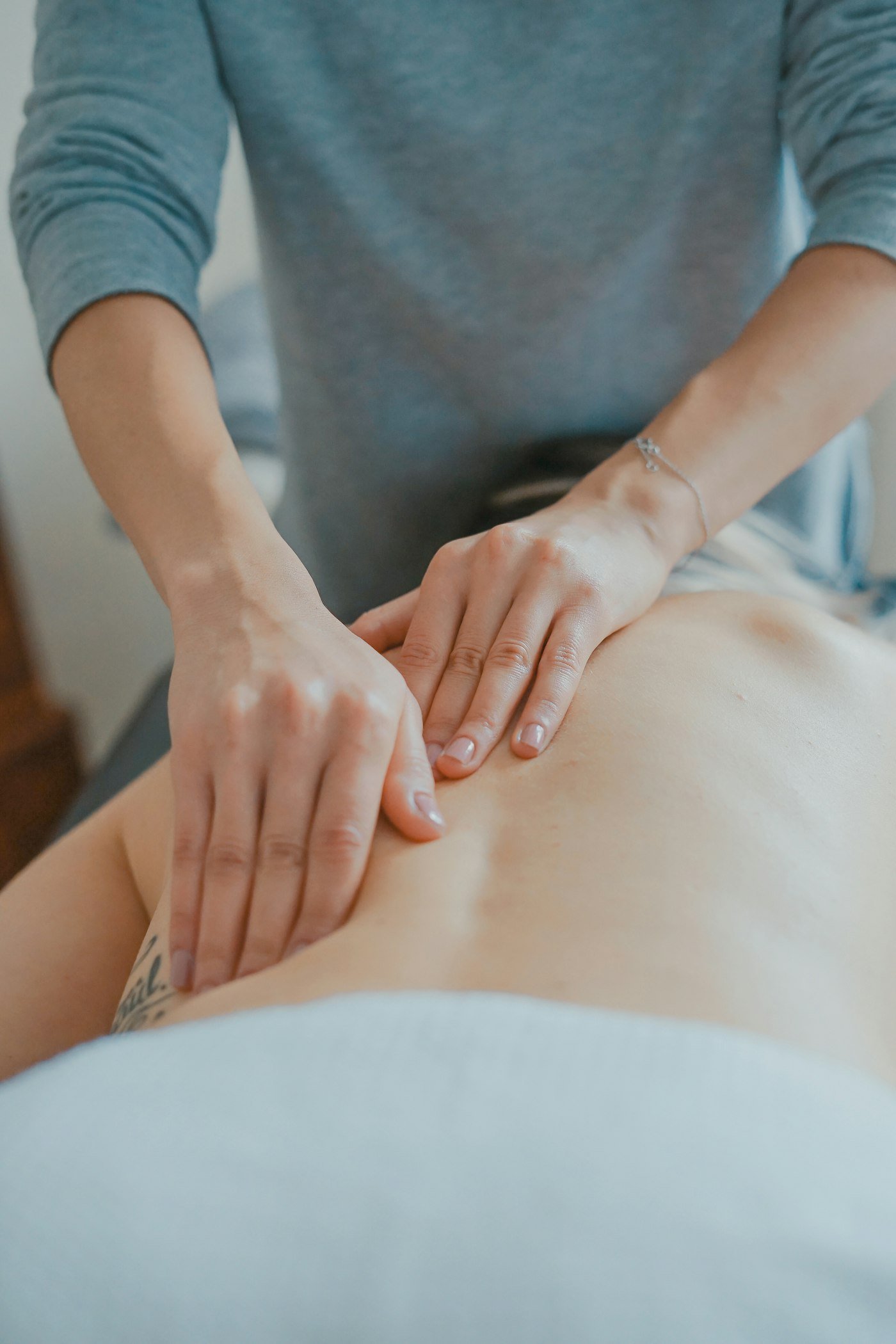
Massage and foam rolling can reduce the sensation of soreness and help a tight muscle feel more comfortable. The effect is mostly short-term and about comfort rather than faster repair, but comfort is a legitimate goal. Our foam rolling guide covers how to do it without overdoing it.
Heat
A warm bath or shower can ease the feeling of stiffness and help you relax. Like massage, it’s a comfort measure rather than a repair accelerator, but it’s inexpensive and pleasant.
What Doesn’t Work (Or Is Overrated)
Stretching to prevent or cure soreness. Stretching feels good and can improve how a tight muscle moves, but the evidence that it reduces DOMS is weak. It won’t hurt — just don’t count on it as your main strategy.
Ice baths. Cold exposure can numb soreness temporarily, but it doesn’t speed up recovery in a meaningful way, and routine post-training cold immersion may interfere with muscle-building signals. We cover the details in ice baths and cold showers.
Soreness supplements. Most products marketed for soreness — powders, pills, blends — have weak or absent evidence. If you’re eating and sleeping well, you’re already doing most of what works.
Pushing through at full effort. Training a very sore muscle hard doesn’t “work it out.” It adds more stress to tissue that’s already repairing. Easing off for a session or two generally gets you back faster.
Does Soreness Mean the Workout Worked?
No — and this is one of the most important things to understand. Soreness is a poor measure of a good session.
You can have an excellent, productive workout and feel barely sore, especially as you get fitter and your muscles adapt. And you can get extremely sore from a workout that wasn’t particularly effective — a long session of unfamiliar movements you won’t repeat, for example.
Judge training by progress instead: are you lifting slightly more, running slightly further, moving better, feeling stronger in daily life? Soreness fades as you adapt, and that’s a feature, not a sign you’re doing less.
How to Reduce Soreness Before It Starts
The most reliable way to avoid being wrecked is to manage your training:
- Increase gradually. New movements and big jumps in volume are the main causes. Add a little at a time.
- Repeat movements. The same exercise gets less sore-producing over time — this is the “repeated bout effect,” and it’s why starting a program is the worst part.
- Warm up. A proper warm-up prepares the muscles for the work ahead. See our 5-minute warm-up routine.
- Don’t change everything at once. One new variable at a time keeps soreness manageable and makes progress easier to read.
And remember: some soreness in the first couple of weeks is unavoidable and normal. It gets better as your body adapts.
When Soreness Is a Warning Sign
Normal DOMS improves over a few days and eases as you move. Contact a medical professional if you experience:
- Severe pain that stops you moving normally
- Swelling, or dark-coloured urine after intense exercise
- Pain in a joint rather than a muscle
- Soreness that keeps getting worse instead of better
- Weakness or numbness rather than simple tenderness
These are not typical DOMS and are worth having checked. This article is general information, not medical advice.
Frequently Asked Questions
Is it bad to work out when I’m sore?
Mild soreness is usually fine — light activity often helps you feel better. If you’re very sore, reduce the intensity or train a different area instead. Don’t force a hard session on muscles that are still clearly repairing; you’ll add stress without much benefit.
How long does DOMS last?
Usually two to four days, peaking around 24 to 48 hours after the session. It fades faster as your muscles adapt to the movement, which is why experienced trainees get sore less often from the same exercises.
Does soreness mean I built muscle?
Not directly. Soreness mostly reflects unfamiliar stress, not the amount of muscle you’re building. You can build plenty of muscle with little soreness, and get very sore doing something that doesn’t build much at all. Track progress, not pain.
Should I stretch when I’m sore?
Gentle stretching is fine if it feels good, and it may temporarily ease stiffness. Strong evidence that it reduces DOMS is lacking, so treat it as something pleasant rather than a cure. Light movement and sleep help more.
Do massage guns help with soreness?
Many people find they reduce the sensation of soreness and help a tight muscle feel looser. The benefit is mostly short-term comfort rather than faster repair. If you enjoy using one, it’s a reasonable tool — just not a necessity.
The Bottom Line
DOMS is normal muscle soreness caused by unfamiliar or intense exercise — not lactic acid, and not a sign of damage to worry about. There’s no instant cure, but light movement, sleep, eating enough, and a bit of heat or massage make it more manageable.
The real fix is prevention: increase gradually, repeat movements, warm up properly, and don’t change everything at once. And stop using soreness as a scoreboard — it isn’t one.