
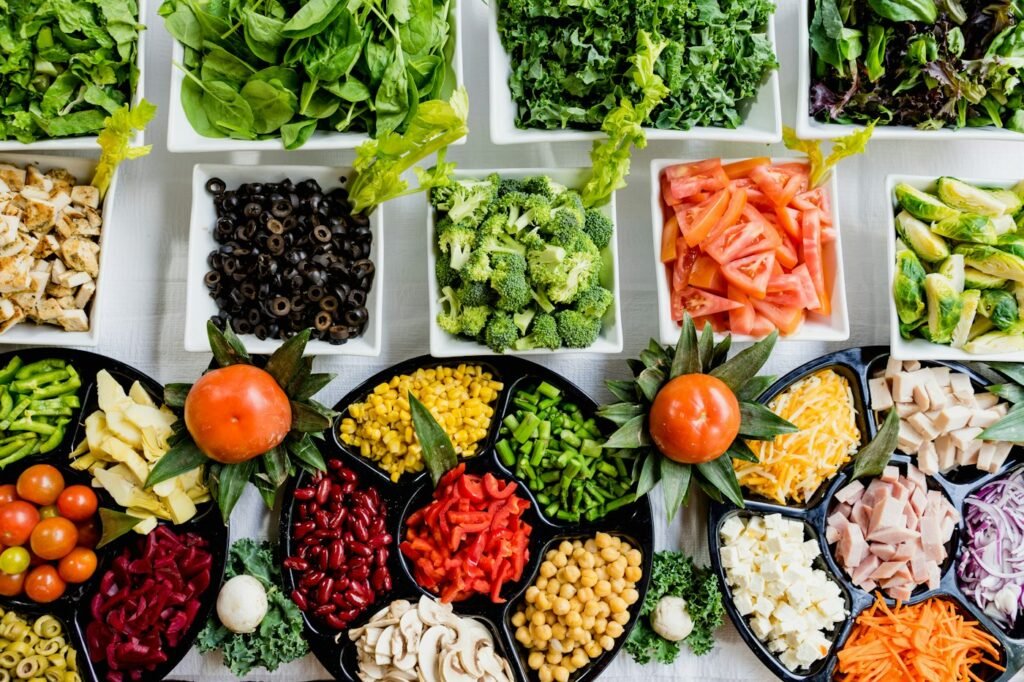
The Goal of Pre-Workout Eating
Eating before a workout isn’t about chasing a magic performance boost. It has two simple jobs: give your body the energy it needs to train well, and avoid making you feel uncomfortable while you do it.
In this guide
- The Goal of Pre-Workout Eating
- Why It Depends on When You Train
- What to Eat: The Main Components
- Should You Train Fasted?
- Pre-Workout Supplements: Mostly Optional
- Practical Examples
- Does Pre-Workout Eating Matter for Fat Loss?
- What About Alcohol and Training?
- Common Mistakes
- Frequently Asked Questions
- The Bottom Line
That’s the whole brief. Anything beyond that is fine-tuning. And because people train at wildly different times of day — first thing in the morning, straight after work, late in the evening — the right answer is always going to be “it depends on when you train.”
This guide covers what to eat, when, and how to avoid the two classic pre-workout problems: running out of energy, and feeling sick.
Why It Depends on When You Train
The single biggest factor is how long you have between eating and exercising.
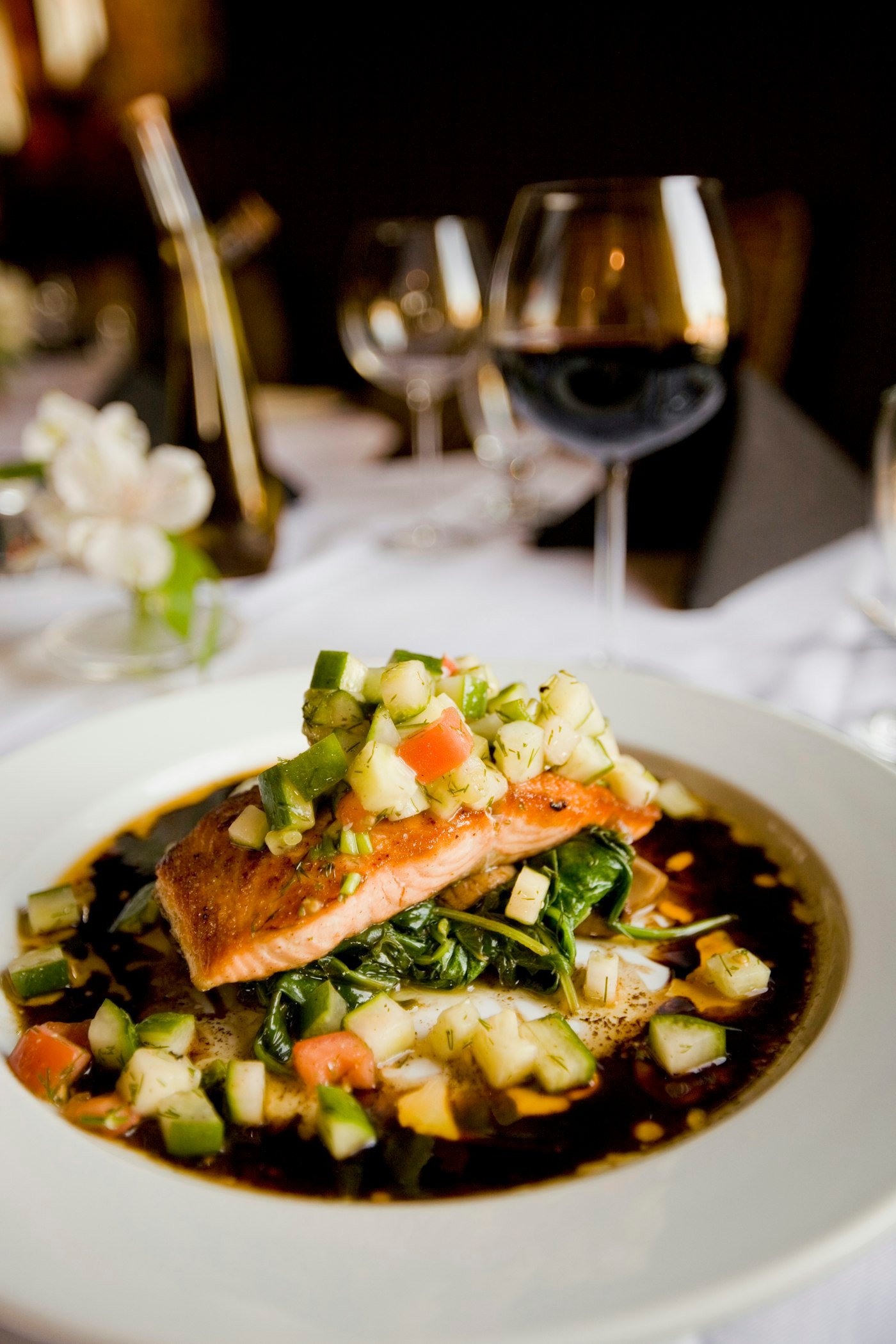
- Two to three hours before: you can eat a full, balanced meal — protein, carbohydrate, some fat, some fibre. This is the ideal situation.
- About an hour before: keep it smaller and simpler. Less fat and fibre, more easily digested carbohydrate.
- Thirty minutes or less: something light and quick — a banana, a small amount of easily digested carbohydrate. Or nothing at all, if that suits you.
- Training fasted in the morning: entirely fine for most moderate sessions. See below.
The principle behind all of this: the closer to training, the smaller and simpler the food. Fat, fibre, and large portions take longer to digest, which is exactly what you don’t want right before you start moving.
What to Eat: The Main Components
Carbohydrate is the priority
Carbohydrate is your body’s preferred fuel for most training, especially anything moderate to hard. Before a session, it’s the component that most directly affects how you feel and perform.
Good pre-workout carbohydrate sources (depending on how much time you have): oats, rice, potatoes, bread, pasta, fruit, and yogurt. For a quick option close to training, fruit or a small amount of easily digested carbohydrate works well.
Protein: useful, but keep it moderate close to training
A moderate amount of protein before training is fine and generally useful — it supports the recovery process and helps keep you satisfied. But a large, heavy protein meal right before training tends to sit in your stomach, so keep it smaller as you get closer to your session.
Sources like Greek yogurt, eggs, milk, or a modest portion of chicken or tofu work well a couple of hours out.
Fat and fibre: keep them lower close to training
Both are healthy, and both slow digestion. That’s exactly the problem before a workout — they can leave you feeling sluggish, full, or nauseous once you start moving. Around a couple of hours out they’re fine in normal amounts; within an hour, minimize them.
Should You Train Fasted?
Plenty of people train first thing in the morning without eating, and for most moderate sessions, that’s completely fine. Your body has enough stored energy for a normal workout.
Whether it suits you depends on how you feel and what you’re doing:
- Easy to moderate training: fasted is usually fine, and many people prefer it for comfort.
- Long or hard sessions: eating something beforehand usually helps, especially for workouts over an hour or high-intensity efforts.
- If you feel dizzy, weak, or faint: eat something before training, even if it’s small. Feeling faint isn’t a badge of honor — it’s your body saying it needs fuel.
The honest answer is that individual differences are large here. Some people feel great training fasted; others feel terrible. Try it both ways and see what works for you.
Pre-Workout Supplements: Mostly Optional
Caffeine is the one pre-workout ingredient with genuinely useful effects for many people — it can improve alertness and perceived effort. A cup of coffee is a perfectly good way to get it.
Everything else in the pre-workout category is largely optional. Many blends combine ingredients in doses too small to matter much, and nothing replaces eating properly. If your diet is solid, a pre-workout supplement is a personal preference, not a requirement.
If you do use caffeine, be aware of the timing — it stays in your system for hours, so an afternoon dose can affect your sleep, and sleep matters more for your training than any supplement.
Practical Examples
Training 2–3 hours after a meal: a balanced plate — chicken, rice, and vegetables; or eggs on whole-grain toast with fruit; or a bowl of oats with yogurt and banana.
Training about an hour after eating: a banana with a spoonful of yogurt, or a slice of toast with a little peanut butter, or a small bowl of cereal.
Training in 20–30 minutes: a banana, a few dates, or a small amount of fruit juice or an easily digested carbohydrate snack.
Early morning, before a normal session: nothing, or a banana if you feel better with something. Coffee if you like it.
Long or hard session: eat properly a couple of hours before — this is where a real meal makes the biggest difference.
Does Pre-Workout Eating Matter for Fat Loss?
If your goal is fat loss, you might be tempted to train fasted to burn more fat. It’s a reasonable-sounding idea, and it does slightly increase fat use during the session. But over a full day, total energy balance is what determines fat loss, and studies comparing fasted and fed training generally find little difference in results when calories and protein are matched.
What does matter: training quality and consistency. If eating beforehand means you train harder and keep showing up, that’s worth more than the marginal fat-burning difference of an empty stomach. If training fasted suits you and your performance holds up, that’s fine too.
Either way, the bigger levers for fat loss are your overall intake, your protein, and staying consistent with training — not whether you had a banana first.
What About Alcohol and Training?
It’s worth a brief mention because it comes up. Alcohol before training is a poor choice on several counts: it affects hydration, coordination, reaction time, and how hard the session feels. It also interferes with sleep quality, which matters for recovery. If you’re training seriously, leaving a gap between drinking and training is the sensible approach.
Common Mistakes
Eating a huge meal too close to training. The most common cause of feeling sick mid-workout. Go smaller and simpler as you get closer.
Skipping food before a long or hard session. If you run out of energy halfway through, the session’s quality drops and so does the training effect.
Loading up on fat and fibre right before training. Healthy foods, wrong timing. Save the big salad or the heavy meal for afterward.
Trying new foods before an important session. Test unfamiliar foods on normal training days, not before a race or a hard effort.
Worrying too much about it. Unless you’re training hard or long, pre-workout eating rarely makes or breaks a session. Don’t let it become a source of stress.
Frequently Asked Questions
How long before a workout should I eat?
Two to three hours for a full meal, about an hour for a small snack, and something very light if you’re within 30 minutes. The closer to training, the smaller and simpler it should be.
What should I avoid before a workout?
Large portions, very fatty or very high-fibre meals close to training, and anything you know upsets your stomach. Alcohol before training is also a bad idea — it affects hydration, coordination, and how you feel.
Is it OK to work out on an empty stomach?
For most moderate sessions, yes. Many people train fasted in the morning without issue. For long or intense workouts, or if you feel weak or dizzy, eating beforehand is the better choice.
What’s the best pre-workout meal?
There’s no single best option — it depends on your timing, your goals, and what agrees with your stomach. A meal built around carbohydrate with a moderate amount of protein, kept low in fat and fibre close to training, is a reliable approach.
Should I eat before a morning workout if I’m not hungry?
You don’t have to. If you feel fine training without eating, that’s a valid choice. If you feel low on energy partway through, try a light snack beforehand and see how you feel. Our guide on what to eat after a workout covers the recovery side.
The Bottom Line
Pre-workout eating has two jobs: fuel the session and avoid discomfort. Eat carbohydrate as the priority with some protein, keep fat and fibre lower the closer you get to training, and match the size of what you eat to how much time you have.
If you train moderately, don’t overthink it. If you train hard or long, a proper meal a couple of hours before is worth far more than any supplement.