

The Simple Version
If you want the whole answer in one sentence: eat a meal with protein and carbohydrates within a few hours of training, and make sure you’re eating enough protein across the day overall.
In this guide
- The Simple Version
- Why Post-Workout Eating Matters At All
- Is the “Anabolic Window” Real?
- Protein: The Part That Actually Matters Most
- Carbohydrates: The Forgotten Half
- Fat and Vegetables: Include Them, Don’t Obsess
- What About Hydration?
- Practical Options by Situation
- Common Mistakes
- Frequently Asked Questions
- The Bottom Line
That’s it. Everything else — precise timing, specific ratios, “anabolic windows,” special powders — is a much smaller detail than the fitness industry would like you to believe. It matters, but only at the margins, and only after the basics are handled.
This guide covers what actually matters, what’s overhyped, and a few practical options depending on your goals.
Why Post-Workout Eating Matters At All
Training creates two demands. First, it damages muscle fibers, which your body needs to repair — and repairing tissue requires protein. Second, it depletes glycogen, the stored carbohydrate your muscles use for energy, which needs replacing.
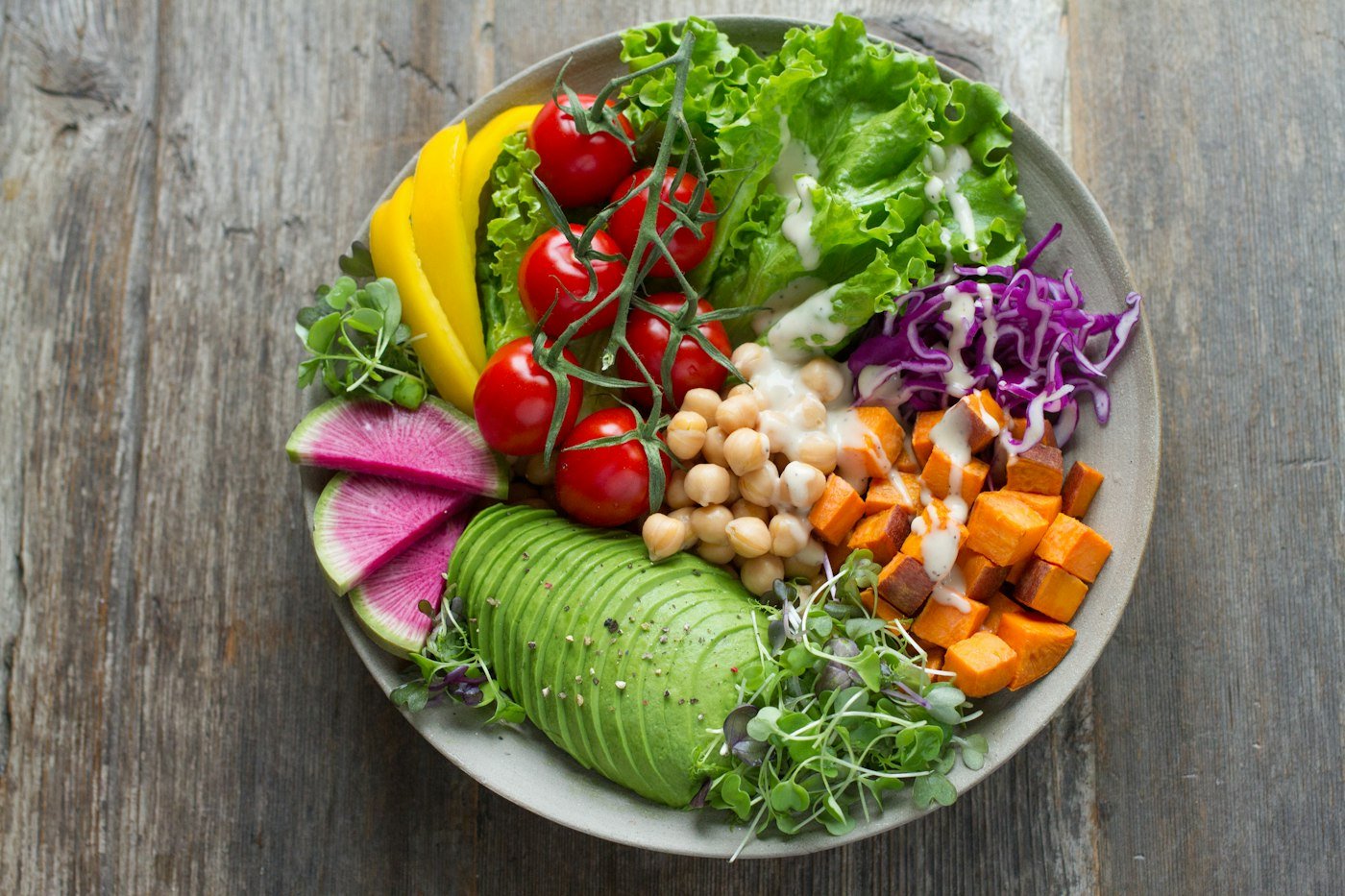
So post-workout eating is essentially about supplying two things: protein for repair, and carbohydrates for refuelling. Everything else is detail around those two jobs.
The reason this gets so much attention is that there’s a period after training when your muscles are particularly receptive to nutrients. But that period is far longer than most people think — and much less fragile.
Is the “Anabolic Window” Real?
Partly. This is one of the most oversold ideas in fitness.
The old story was that you had roughly 30 minutes after training to eat, or you’d waste your workout. That’s not accurate. Research has generally found that the window is much wider — on the order of several hours — and that total daily nutrition matters far more than precise post-workout timing.
Where timing does matter more:
- If you trained fasted, or haven’t eaten in many hours
- If you train again within a few hours and need to recover quickly
- If you’re training hard most days and recovery is the limiting factor
For most people training a few times a week and eating normally, the practical answer is: eat a decent meal within a couple of hours, and don’t stress about the exact minute. Your overall daily intake does the heavy lifting.
Protein: The Part That Actually Matters Most
If you take one thing from this article, take this: total protein across the day matters more than anything about post-workout timing.
Protein supplies the amino acids your body uses to repair and build muscle. Without enough of it, recovery and muscle-building are limited regardless of when you eat. With enough of it, timing is a fine-tuning detail.
Practical guidance rather than exact numbers:
- Aim for a source of protein at each main meal, rather than loading it all into one sitting.
- Spread it across the day — several moderate servings generally serve you better than one huge one.
- Include some protein within a few hours of training — this is usually satisfied simply by eating a normal meal afterward.
- Whole foods work as well as supplements. What matters is the total amount, not the format.
Good everyday sources: eggs, poultry, fish, lean meat, Greek yogurt, cottage cheese, milk, beans, lentils, tofu, tempeh, and soy. A protein shake is convenient, especially if you don’t feel like eating right after training, but it’s not magic — it’s just convenient protein.
Carbohydrates: The Forgotten Half
Protein gets all the attention, but carbohydrates matter too, especially if you train hard or often. Training depletes muscle glycogen, and carbohydrates are what refill it.
You don’t need to be precise about this. A meal containing a reasonable portion of carbohydrate — rice, potatoes, oats, bread, pasta, fruit — alongside your protein is enough for most recreational training. If you train intensely or multiple times a day, deliberately refuelling with carbs becomes more important.
If your goal is fat loss, you’ll likely eat fewer carbs overall, but you don’t need to avoid them around training. Carbohydrates support the quality of your sessions, and good sessions are what preserve muscle while you lose fat.
Fat and Vegetables: Include Them, Don’t Obsess
Fat is not the enemy it was once made out to be. It supports hormone production and helps you feel satisfied. Vegetables add fibre, micronutrients, and volume. Neither needs special timing — just build them into your normal meals.
The practical plate: a protein source, a carbohydrate source, some vegetables, and a bit of fat. That’s a good post-workout meal, and it’s also a good meal generally.
What About Hydration?
Replacing fluids matters too, particularly after long or sweaty sessions. Water is usually enough for moderate training. If you’ve been sweating heavily for a long time, a drink with some electrolytes can help you rehydrate more effectively.
Our guide on how much water to drink during exercise covers the details.
Practical Options by Situation
If you’re hungry and have time: a proper meal — chicken or tofu with rice and vegetables, eggs on toast with fruit, a salmon and potato plate. This is the ideal, and it’s not complicated.
If you don’t feel like eating: a protein shake with a banana, or Greek yogurt with fruit. Liquid or soft foods are easier when appetite is low right after training.
If you’re training again soon: prioritise something easy to digest — carbs plus protein, low in fat and fibre, so it sits comfortably.
If your goal is fat loss: the same structure works, just with portions that fit your overall intake. Protein helps here specifically, because it keeps you satisfied and supports keeping muscle while you’re in a deficit.
If you train in the evening: eat a normal dinner afterward. There’s nothing special about “night eating” as long as your total intake is sensible.
Common Mistakes
Obsessing over the 30-minute window. Total daily food matters far more. Don’t let timing anxiety make you feel like a failure for eating an hour later.
Neglecting total protein. This is the mistake that actually costs results. A post-workout shake doesn’t fix a day of low protein.
Buying supplements before fixing food. Powders are optional extras. Real meals do the job. If your diet is inconsistent, a supplement won’t rescue it.
Skipping carbs entirely. Especially if you train hard, carbohydrates support recovery and the quality of your next session.
Eating too little overall. If you’re training and trying to build or maintain muscle, chronically under-eating works against you no matter how well you time your meals. Chronic under-eating is also worth taking seriously for general health — if you’re unsure whether your intake is adequate, that’s a conversation to have with a doctor or dietitian rather than guessing.
Frequently Asked Questions
What’s the best food to eat right after a workout?
Whatever combination of protein and carbohydrate fits your life — a proper meal is ideal, and a shake with fruit works if you’re short on time or appetite. There’s no single best food. Total daily protein and calories matter more than which specific item you choose.
Do I need a protein shake?
No. Shakes are convenient, not necessary. If you eat enough protein from whole foods, a shake adds little beyond convenience. If you struggle to hit your protein intake, it can be a useful tool.
How long after a workout should I eat?
Within a couple of hours is plenty for most people — the “window” is much wider than the old 30-minute claim. If you trained fasted or train again soon, eating sooner is more useful.
Should I eat before bed after an evening workout?
A normal dinner or a snack with protein is fine. There’s nothing uniquely important about eating immediately before sleep, and there’s no need to force a large meal late if you’re not hungry — just make sure your total daily intake is adequate.
Can I just eat whatever I want after training?
Training doesn’t cancel out a poor diet. The point of post-workout eating is supplying repair and refuelling, not earning treats. That said, one meal won’t make or break anything — it’s your overall pattern that counts.
The Bottom Line
Post-workout eating is simpler than it’s made out to be. Eat a meal with protein and carbohydrates within a few hours of training, make sure you’re getting enough protein across the whole day, and refuel with carbs if you train hard or often.
Skip the anxiety about exact timing and exotic supplements. If you handle the basics consistently, you’ve already captured almost all of the benefit — and you’ve done it with food you actually enjoy.